
Submit your research findings and analysis related to mental health and well-being to be presented at the International Social Work Research Conference.
Submit
Presentations
Research Conference Submissions
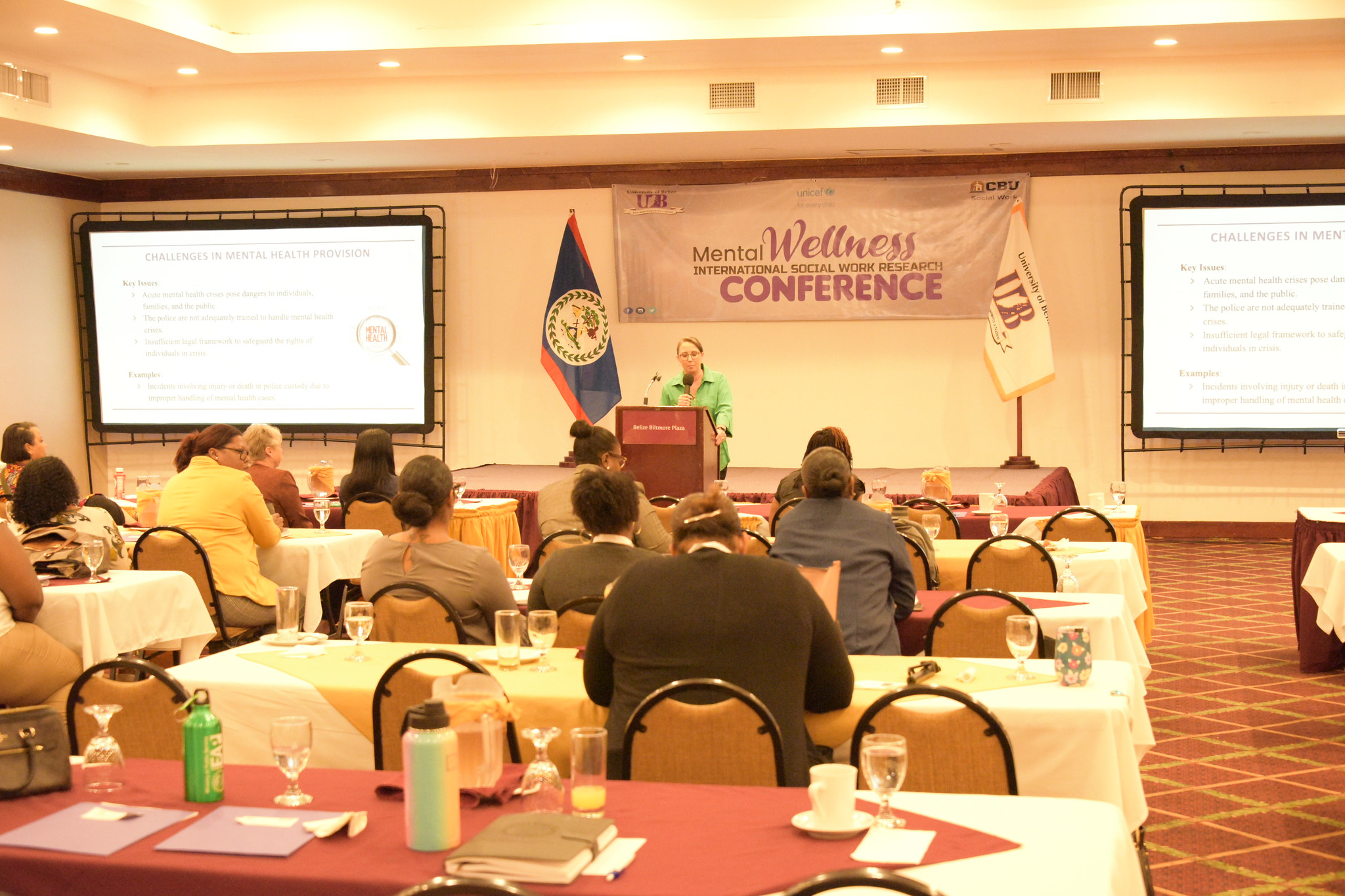
Research Submissions
Call for Proposals
Overview:
This conference invites scholars, practitioners, and advocates in social sciences and mental health to explore transformative approaches that dismantle colonial legacies and promote culturally responsive healing. We seek proposals that challenge dominant narratives, elevate marginalized voices, and advance equity in mental health systems.
Conference Learning Objectives
- Analyze the Impact of Colonial Narratives
Examine how historical and systemic oppression influences current mental health practices and outcomes. - Apply Decolonizing Frameworks
Integrate culturally grounded and indigenous approaches into mental health interventions to promote empowerment. - Address Intergenerational and Racial Trauma
Identify strategies for recognizing and healing trauma rooted in historical and racialized experiences. - Utilize Narrative Transformation Techniques
Employ storytelling and narrative therapy to help clients reclaim identity and counter internalized oppression. - Advocate for Structural and Policy Change
Develop actionable plans to dismantle systemic barriers and advance equity in mental health systems.
We welcome workshop proposals that address any of the theme of conference or any of the following subthemes:
- Decolonizing Mental Health Practices
Explore how colonial legacies have shaped mental health systems, often privileging Western models while marginalizing indigenous knowledge. This subtheme invites discussions on dismantling these structures and integrating culturally grounded, community-based healing practices that honor diverse traditions and worldviews. - Intergenerational Trauma and Resilience
Examine the transmission of historical trauma across generations and its impact on mental health. Present strategies for fostering resilience through culturally responsive interventions, family systems approaches, and community-based programs that restore dignity and collective strength. - Narrative Transformation
Focus on the power of storytelling and cultural narratives as tools for healing. This subtheme emphasizes approaches that help individuals and communities rewrite oppressive narratives, reclaim identity, and amplify voices silenced by systemic racism and colonial histories. - Structural Racism and Policy Reform
Analyze systemic barriers that perpetuate inequities in mental health access and outcomes. Proposals should highlight advocacy strategies, policy innovations, and organizational reforms aimed at creating equity-driven mental health systems. - Clinical Approaches to Racial Trauma
Address the need for trauma-informed care that explicitly recognizes racialized experiences. This subtheme encourages practical techniques for rechanneling rage, restoring dignity, and promoting empowerment in therapeutic settings. - Intersectionality in Healing
Investigate how overlapping identities—such as race, gender, class, and sexuality—shape experiences of trauma and recovery. Present inclusive frameworks and interventions that account for these intersections to ensure holistic and equitable care. - Community Healing and Collective Care
Highlight the role of social networks, cultural rituals, and collective practices in mental health recovery. This subtheme calls for approaches that move beyond individual treatment toward community empowerment and systemic transformation.
Presentation Formats Accepted
Research Papers
Formal presentations of original research or theoretical work related to the conference theme. These sessions typically include a 30–40-minute presentation followed by Q&A, offering participants an opportunity to share findings and engage in scholarly dialogue.
Research Posters
Visual displays summarizing research studies, innovative practices, or conceptual frameworks. Poster sessions allow for informal, interactive discussions between presenters and attendees, fostering networking and idea exchange.
Workshops
Interactive, skill-building sessions are designed to provide practical tools, techniques, or frameworks. Workshops emphasize participant engagement through activities, case studies, and experiential learning, making them ideal for applied practice.
Panel Discussions
Collaborative sessions featuring multiple experts who share diverse perspectives on a specific topic. Panels encourage dialogue among presenters and audience members, highlighting emerging issues, challenges, and solutions within the field.
Submission Guidelines:
- Abstract: 250–300 words
- Include title, author(s), affiliation, and contact information.
- Indicate preferred format (paper, workshop, panel, Poster etc.)
- Call for Proposals Open: December 15th, 2025
Target Audience:
Social science practitioners, mental health professionals, researchers, educators, and community advocates committed to equity and healing.
Review, Selection, and Notifications
Submissions will be peer reviewed by Conference Committee. Only a limited number of workshop can be accepted for presentation at ISWRC 2025, so please include as many relevant details as possible in your submission in order for the conference peer review committee to effectively evaluate your submission.
With all submissions the peer review Committee retains the right to request additional information, ask that changes be made to improve a workshop research presentation, or decline a presentation the committee does not find relevant to the mental health research theme. No changes can be made after proposals have been submitted unless the peer review committee has specifically requested that change.
Occasionally, the conference peer review Committee recommends that a workshop submission be considered for individual poster presentations rather than a workshop. When this happens, the presenters will be notified of this recommendation, and each author will be offered the opportunity to submit individual presentations as posters.
Workshop Symposium Speaker Responsibilities
All presenter/s must register for the Conference. Registration fees from attendees can be paid online via credit card. Fees can also be paid and will be accepted at check-in for conference however it is encouraged to pay prior due to lines.
The commitment of all participants must be secured in advance of proposal submission.
Submission Guidelines
ISWRC seeks presentations showcasing the latest findings in behavioral sciences related to mental health and well-being.
To submit a workshop symposium, you’ll need to provide the following information:
- Workshop Presenter Information: When you begin your workshop symposium submission, you’ll be prompted to complete a Google form with the following information.
- Title: The title should be succinct and descriptive because it will be listed without the abstract in Conference materials.
- Abstract: A brief, high-level overview of the workshop symposium. Include Background, Purpose/AIM, Methods, Results, Conclusion (100-word maximum).
- Subject area/Theme: Related area of research; used to match the proposal with the best-suited peer reviewer. Secondary subject area may also be selected.
Subject areas: Social Sciences, Social Work, Behavioral Health, Biological Psychology, Clinical Social Work, Cultural Anthropology, Psychology, Epigenetics, School Psychology, Social Emotional Learning, Industrial/Organizational Psychology, Lifespan Development, Other - Supporting summary: The supporting summary should describe the overall workshop symposium in detail. In this section, you are encouraged to include information about how the workshop symposium meets the goals of providing diversity of perspective and integrating those perspectives into a meaningful solution to the global mental health problem. (300-word maximum, plain-text format).
- Presenter Information: University or business affiliation, individual e-mail address, and highest degree earned must be included for all presenters/co-authors
Poster Expectations
Authors present their posters using a visual medium with key excerpts from the papers displayed on a free-standing bulletin board in portrait/vertical format.
The maximum size you may print your poster is 96 cm wide x 105 cm high. The board that you will display your poster on is 96 cm wide x 105 cm high. You may print your poster in any size that fits within those dimensions.
Poster presentations should incorporate illustrative materials such as tables, graphs, photographs, and large-print text, and materials should be clearly readable from a distance of approximately 1 meter, or 3 feet (primary text font should be 20 points or larger, and headings font at least 30 points). Posters are assigned a bulletin board number and are organized by keyword when possible. No audio-visual equipment can be used.
You are NOT required to submit your final poster before presentation. If your poster proposal was accepted for presentation, you simply need to bring your printed poster to ISWRC for presentation.
Panel Discussion
Create a panel discussion based on one of the themes of the conference. There should be at least 3-4 persons on the panel.
Research Paper
This could be presented as an overview of a research paper. Researcher discussion the research and the methodology related to a topic connected to the theme of the conference.
Contact for questions: Dr. Kendra Flores-Carter kflores-carter@calbaptist.edu or Dr. Angela Flowers angela.flowers@ub.edu.bz.